
memorymachine.online

Memory Machine

A used family PC. A fake old web. A locked profile named Sam.

Memory Machine is an indie PC game about sitting down at a Windows XP era computer that clearly belonged to someone else. You start as a guest. Sam's account is locked. His browser history, buddy lists, weird downloads, half-made songs, forum posts, and little games keep leaking through the parts of the machine you can still touch.

Found computer mystery Fake early-2000s internet XP-style apps and games Sam's locked profile Original music and web rot

So what is this thing?

A used family computer that still talks back.

The point is not nostalgia wallpaper. It is the feeling of finding a computer that has been lived in: parents with email, a messy desktop, a kid's locked profile, old friends online, half-broken sites, weird downloads, and tiny routines nobody bothered to explain.

The full game is the machine itself. This website is just the front porch: a few app windows, a few websites, a tiny taste of the web, and enough screenshots to show the shape of the thing without flattening it into a trailer reel.

Try a few pieces

Open a window. Click around. See what still works.

These website samples are intentionally small. They are here so you can feel the apps and in-world web before the actual game gives them profiles, files, installs, passwords, and consequences.

Core Apps Explorer

Trailer

The vibe check.

Old windows, in-world websites, music tools, forum trails, and the creeping sense that Sam is not just a username the machine remembers.

The machine

The internet is fake. The habits are the point.

The same handle can turn up in a forum thread, a download page, a buddy list, a video comment, and a filename on the desktop. That is where the story starts to feel less like lore and more like a person.

VidLair fictional video site inside MoonReach Browser
01

Websites with fingerprints on them.

MoonReach, VidLair, TurtleBay, TunnelFlash, forums, and personal pages have old layouts, dead links, favorites, comments, and the kind of embarrassing choices that make a page feel owned.

RackForge Studio music software
02

Programs with a reason to be there.

RackForge, ClipForge, TuneDock, Turtle Client, GeoForge, and File Factory are not menu filler. They are the tools Sam used, ignored, downloaded, broke, or left behind for you to misread.

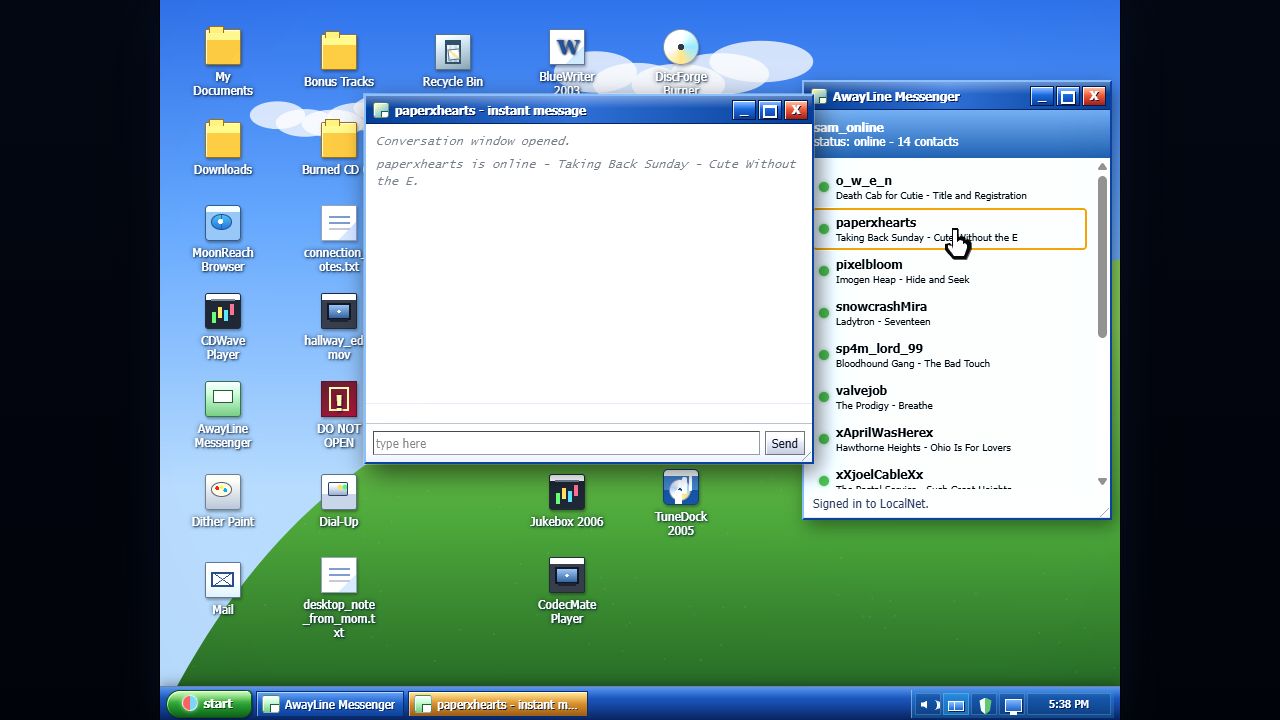
AwayLine Messenger conversation
03

Names that keep turning up.

Handles, replies, buddy lists, and saved chats are how the machine remembers people. The best clue is seeing the same name in three places and realizing the computer noticed before you did.

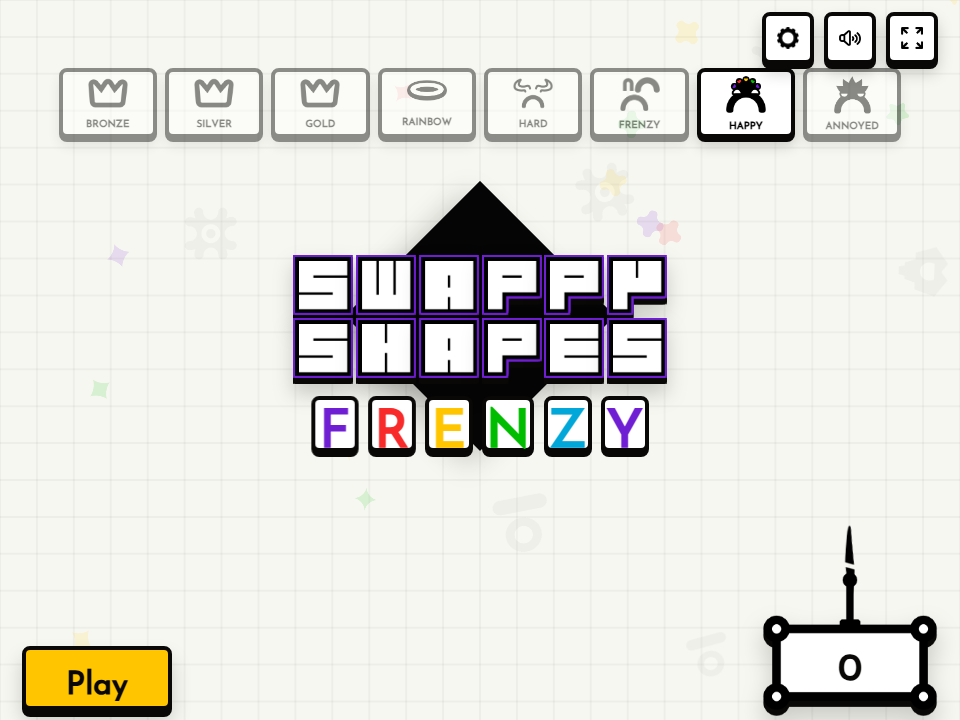
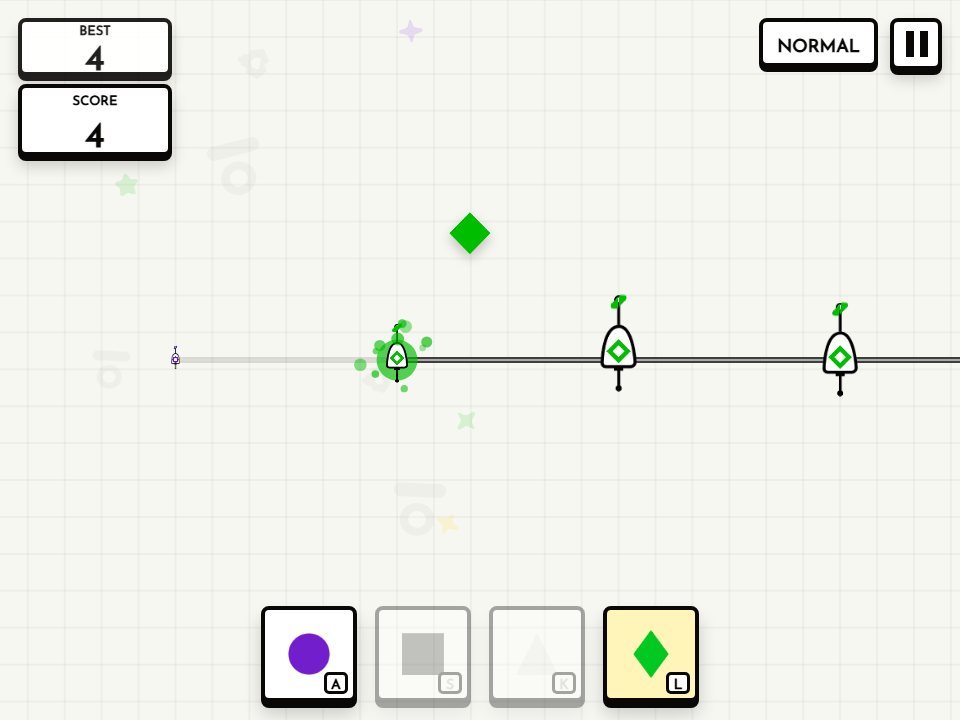
Swappy Shapes Frenzy inside TunnelFlash
04

Games inside the game.

Swappy Shapes Frenzy and Cavecraft Alpha are old downloads with trails around them: forum posts, save files, launchers, fan arguments, and small obsessions that belong to the machine.

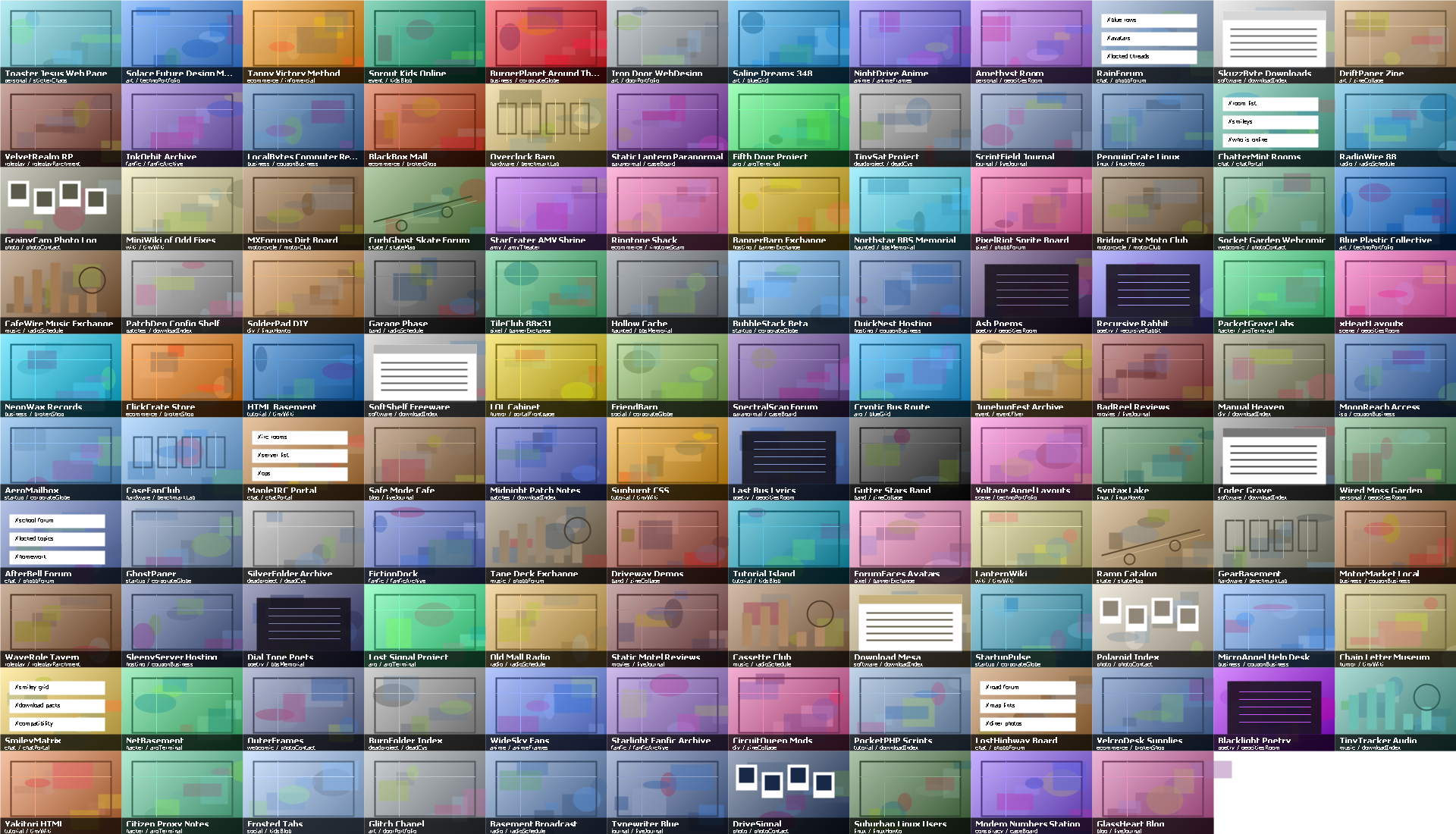
Atlas of many fictional old websites
05

Enough depth to get lost.

Poetry rooms, utility pages, fan sites, shops, mirrors, and dead links should make the player wonder what else is still sitting there, waiting to be found by accident.

Full game context

The site is a sampler. The game is the computer.

On this site, each window is lightweight. In the game, those same ideas live inside a persistent desktop. The guest profile starts fresh. Sam's profile is locked. Mom and Dad have their own email habits. Apps are installed, found, downloaded, or left behind.

The fun is when the pieces stop feeling separate: a song in TuneDock, a TurtleBay listing, a forum joke, a chat from someone who knows Sam, and a file on the desktop all start pointing at the same person.

Swappy Shapes Frenzy menu screen Swappy Shapes Frenzy gameplay

Programs on the machine

Apps that feel installed, not staged.

The apps are there because people used them. Some are useful. Some are embarrassing. Some are half-broken. All of them should feel like they belonged on this machine before the player arrived.

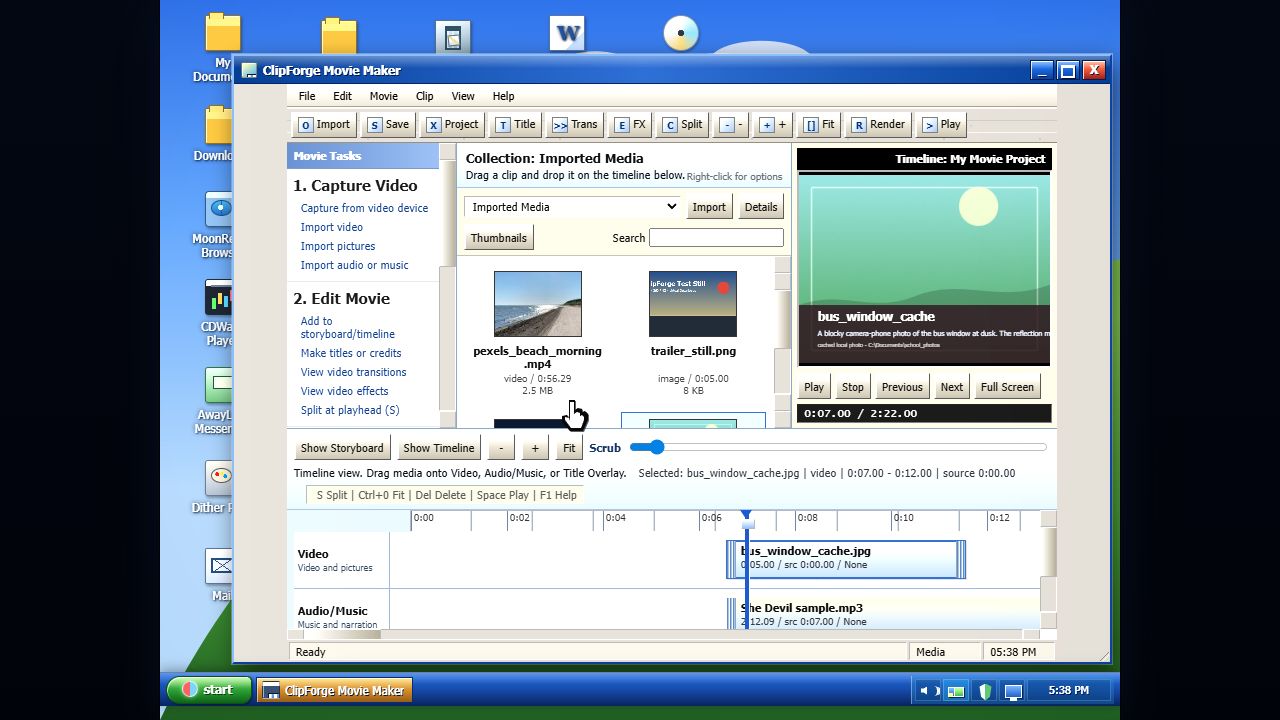
ClipForge Movie Maker

ClipForge Movie Maker

A movie editor for old clips, title cards, abandoned edits, and the terrible little ritual of trying to export something late at night.

RackForge Studio 4

RackForge Studio 4

A rack-style music studio with devices, mixer habits, pads, demo songs, and a support site that feels like somebody really believed in it.

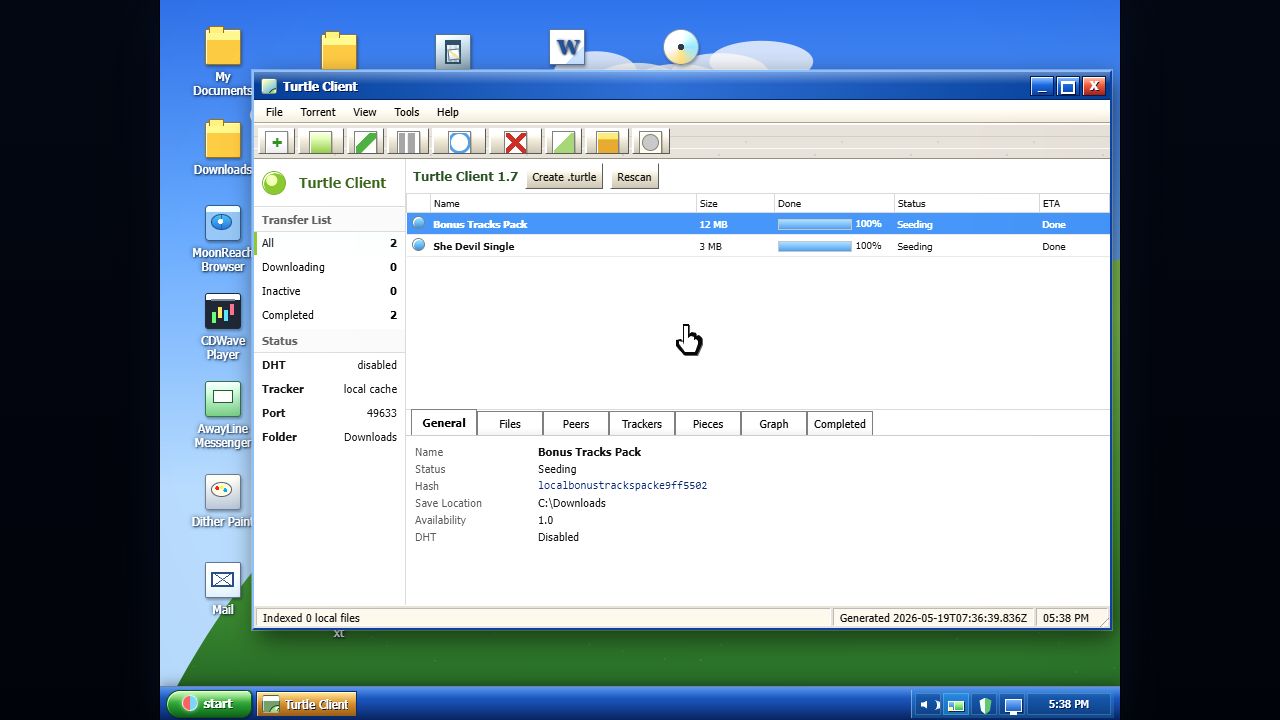
Turtle Client

Turtle Client

A fictional descriptor client for finding apps, games, warnings, comments, and suspiciously personal downloads inside the old web.

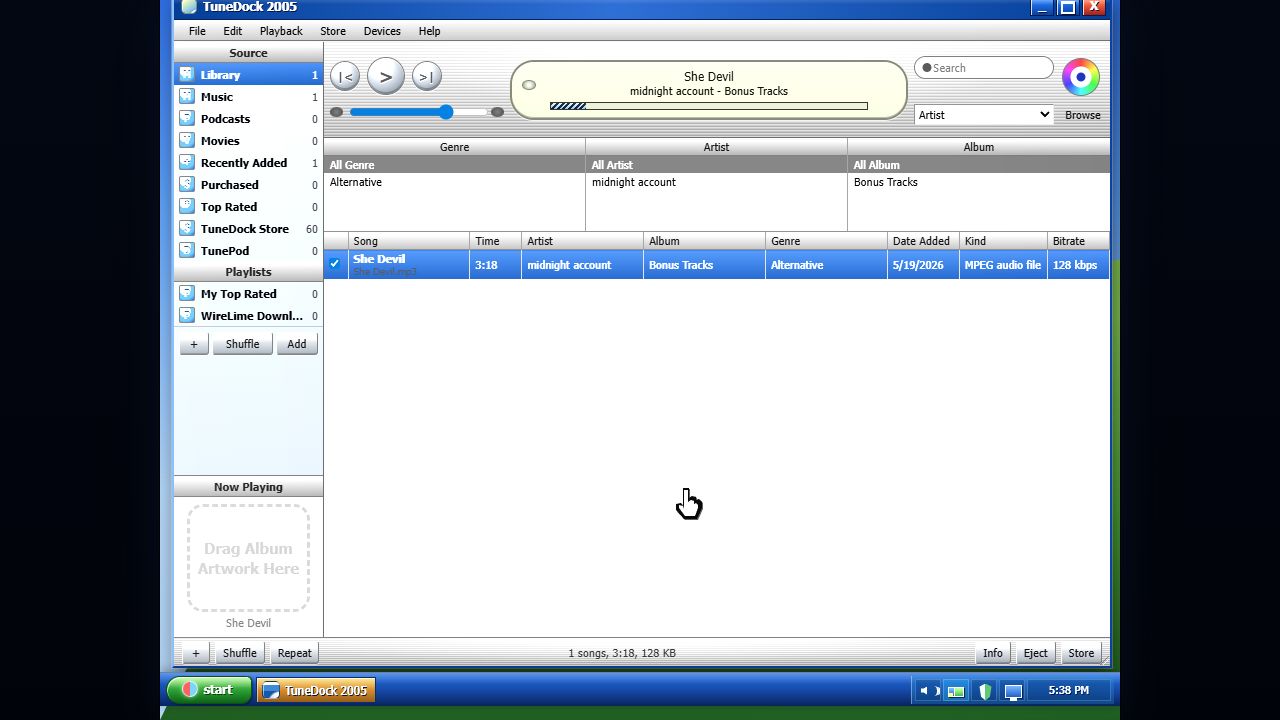
TuneDock 2005

TuneDock 2005

A music library for playlists, store previews, metadata, visualizers, and the kind of listening history that tells on a person.

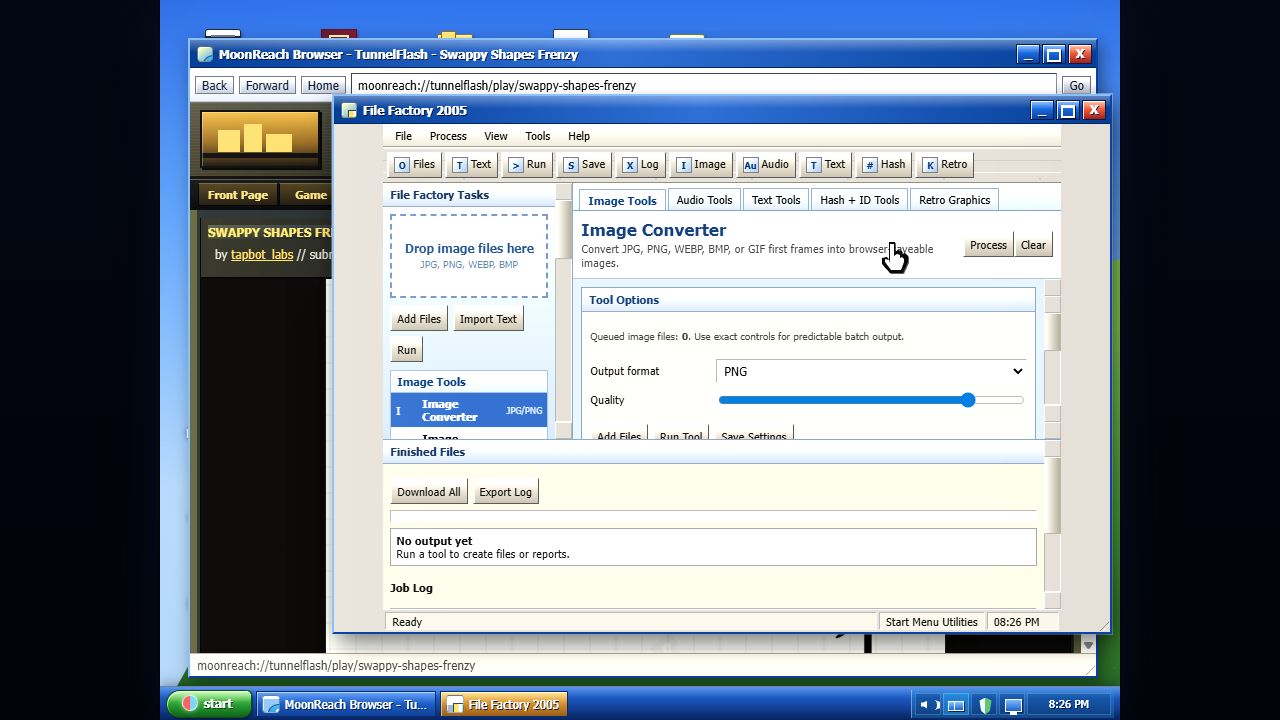
File Factory 2005

File Factory 2005

A utility-suite window for file chores, weird converters, tiny tools, and the kind of bundled software nobody remembers installing.

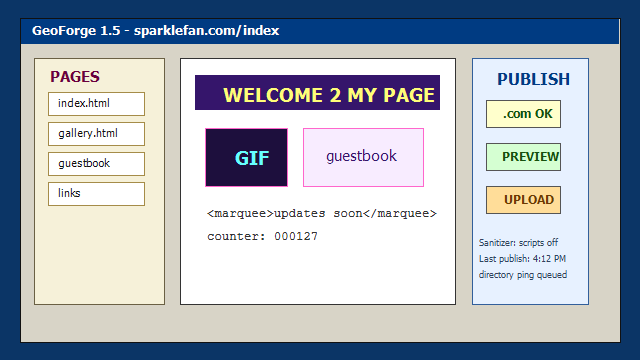
GeoForge personal website builder

GeoForge Builder

A personal-site builder for pages that look like someone cared a lot and had absolutely no design supervision.

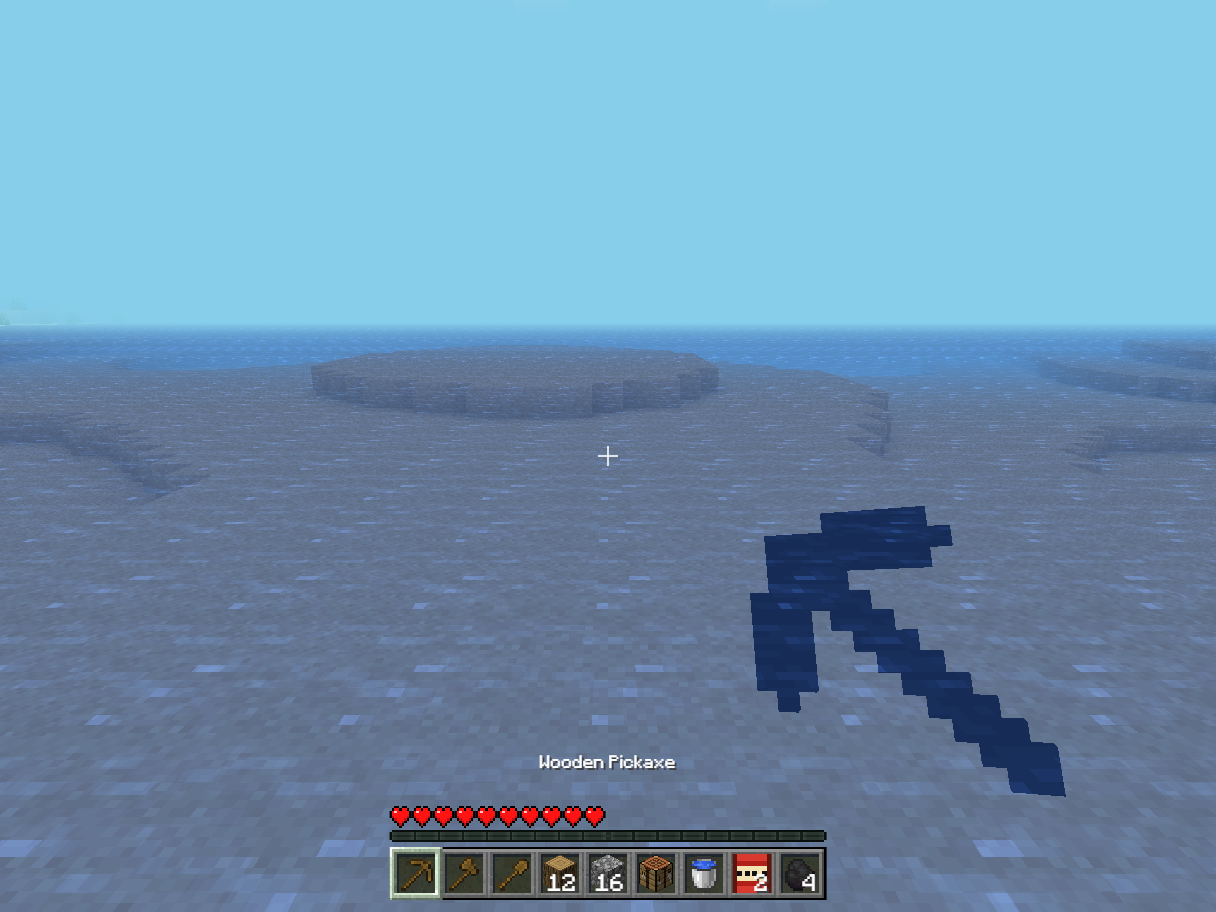
Cavecraft Alpha gameplay

Cavecraft Alpha

An in-world PC game with downloads, forum chatter, an install trail, and reasons for already being on Sam's machine.

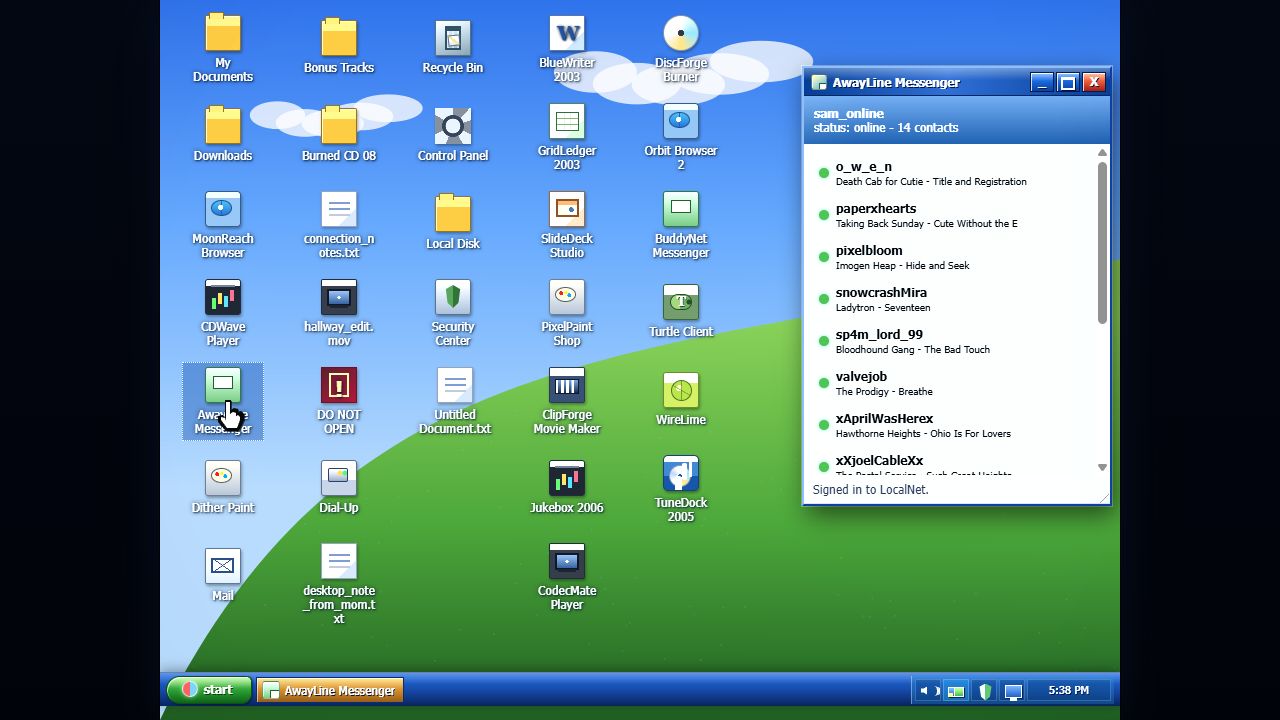
AwayLine Messenger

AwayLine / BuddyNet

Buddy lists, saved messages, away statuses, and the uncomfortable feeling that other people remember Sam better than you do.

Old web

Not "retro." Old enough to be weirdly personal.

Fan shrines, bad shop layouts, forum signatures, dead mirrors, poetry rooms, utility sites, download pages, and pages that say "under construction" like they mean it. The point is not endless content. The point is that the pages feel written by people with usernames, grudges, taste, and too much free time.

Contact sheet of many fictional old websites Ashpoems rose scan banner

Story path

Sam is not a lore dump. He is a pattern.

You start as a guest on a machine that clearly belonged to someone else. Sam's profile is locked, but his name is still out there in posts, files, uploads, buddy lists, old arguments, music projects, and the way other people talk about him when they think you already know.

  1. 1
    The guest account starts clean.

    You get the clean profile first, the setup friction, and the feeling that the real machine is behind another door.

  2. 2
    Sam appears through public evidence.

    Posts, comments, files, uploads, and contacts make him feel like a person before he feels like a puzzle.

  3. 3
    The machine remembers small things.

    Saved state, replies, files, and callbacks make the world feel sticky: not magical, just observant.

  4. 4
    The locked profile becomes the question.

    Eventually you want Sam's password because the account feels human, private, and unfinished.

Screenshots

Windows from the machine.

Desktop overview: the found machine, already crowded with apps, files, and bad decisions.
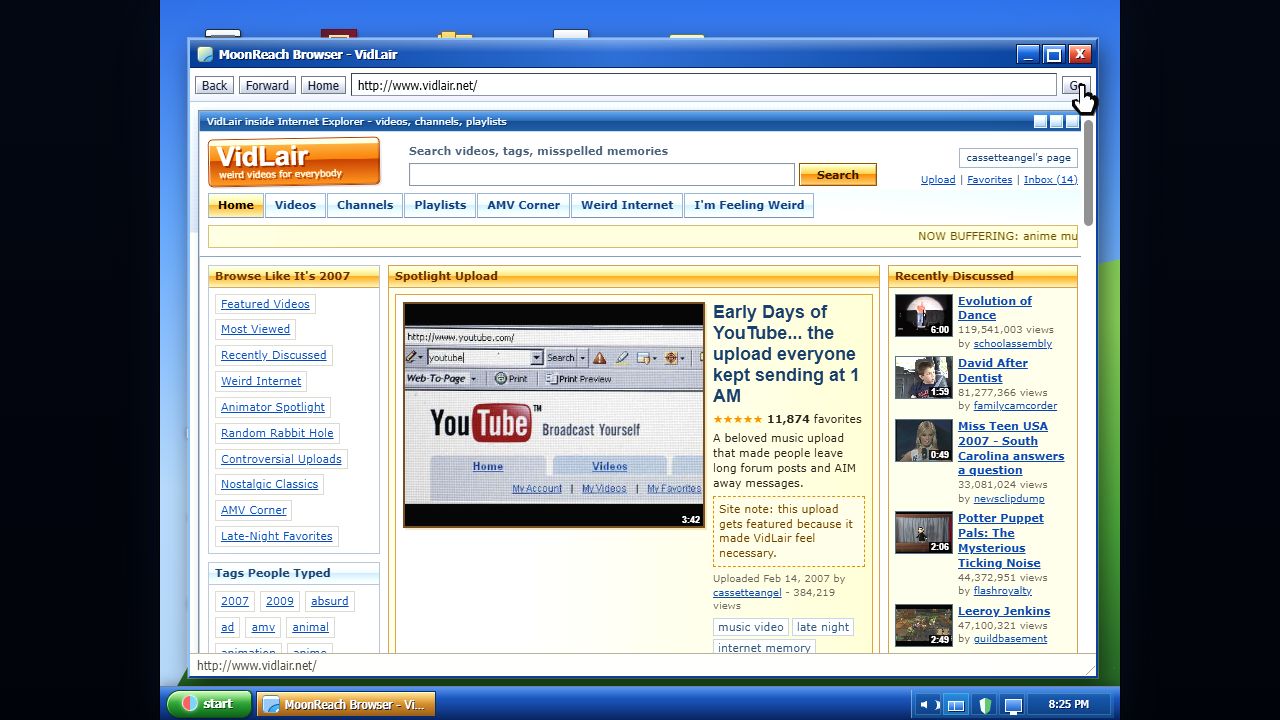
VidLair: a fictional video-site surface for channels, comments, favorites, and archival texture.
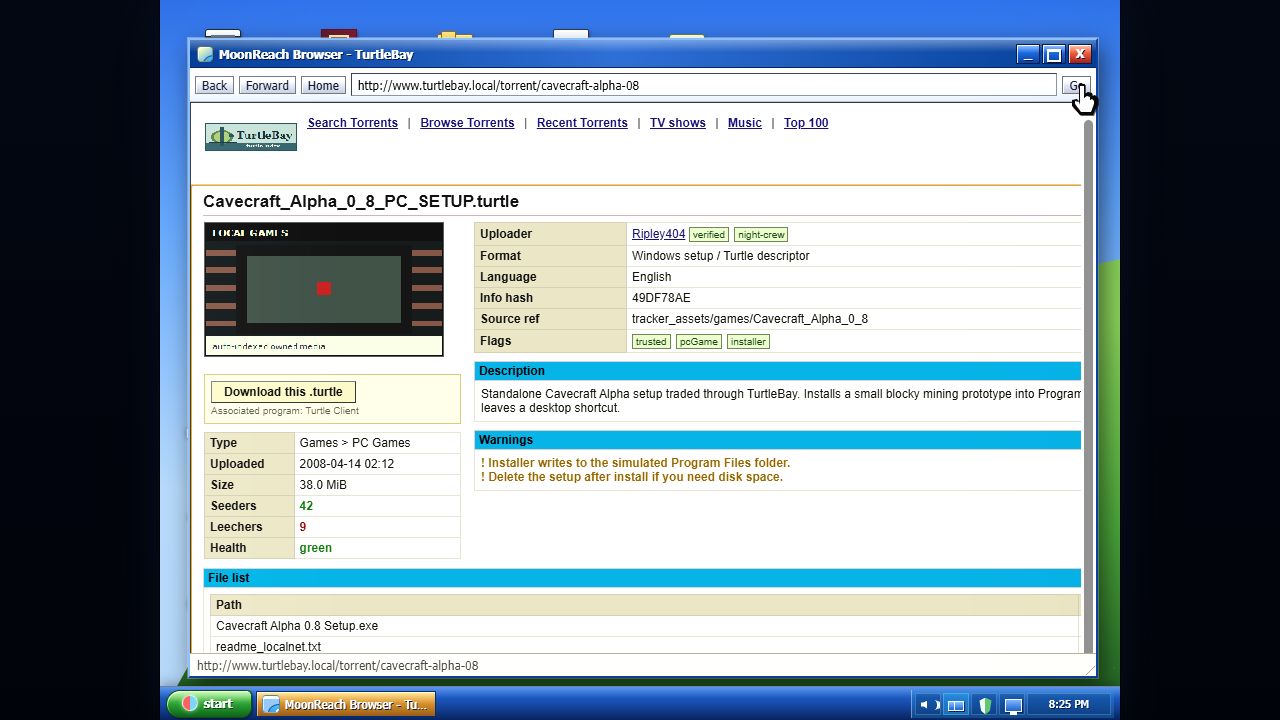
TurtleBay: an in-game descriptor index with simulated metadata, warnings, and file-route language.
Cavecraft Alpha route: a fictional descriptor page that explains a possible download-to-desktop loop.
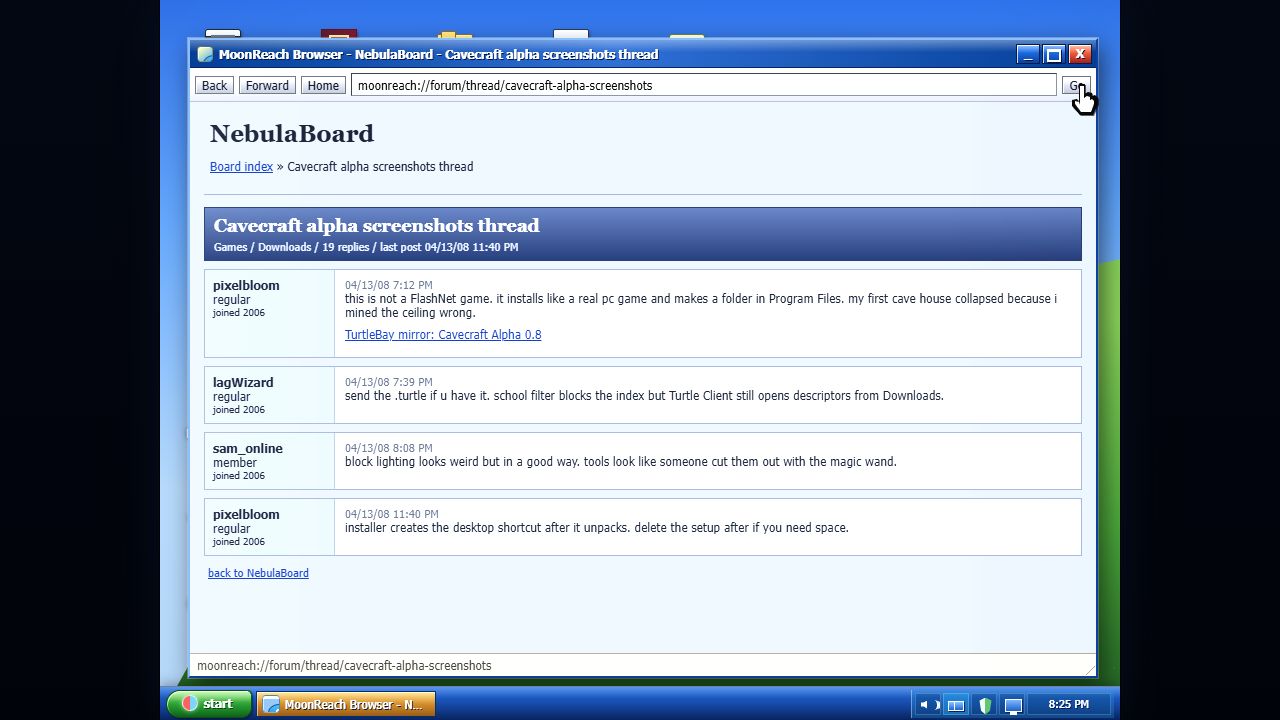
NebulaBoard: a forum thread where a download becomes gossip, advice, and warning signs.
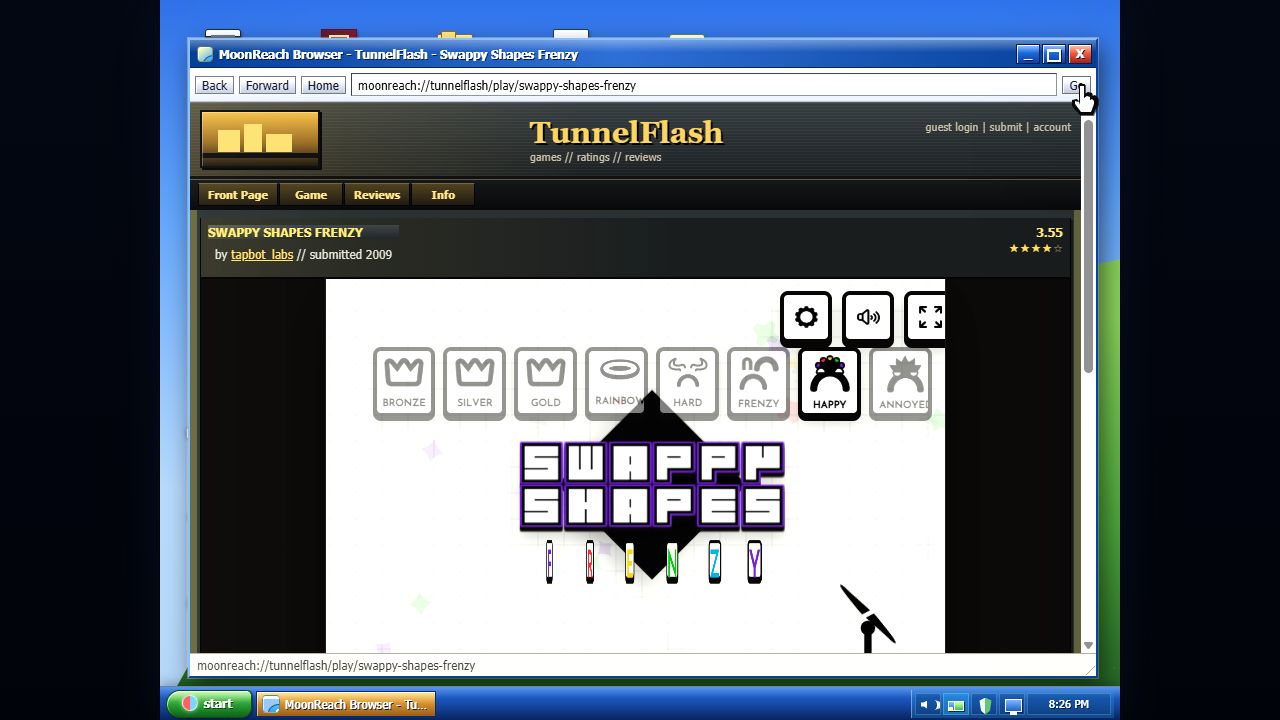
Swappy Shapes Frenzy: a tiny browser game that belongs on a school-night web portal.
Cavecraft Alpha: an in-world PC game with its own trail through downloads and forums.
File Factory 2005: small tasks, file weirdness, and desktop clutter with a job to do.
ClipForge: media editing for clips, credits, export settings, and unfinished projects.
RackForge Studio 4: racks, loops, presets, and the feeling of an old project you were not meant to open.
GeoForge: a personal-site builder for loud pages, guestbooks, and very serious hit counters.
AwayLine: buddy lists, old statuses, saved chats, and people who know more than you do.
TuneDock 2005: a fictional music-library surface tied to playlists, metadata, and personal residue.
Old web atlas: a stack of fictional pages built to feel browsed, linked, abandoned, and remembered.

From the desk

Made by someone who misses when the web felt full of regular people.

Why the site is playable

Screenshots are not enough.

You should be able to click an old app and immediately understand why the full game cares about texture.

Why it is limited

The website cannot be the whole computer.

Profiles, installs, files, conversations, and Sam's history need the full game to cross over properly.

Why it matters

The details are the game.

A broken link, a song title, a forum reply, an installed app, or a name in a buddy list can matter more than another giant feature.

Steam

Steam page coming soon.

Memory Machine is headed for PC. The Steam link goes here when the store page is live. Until then, the music and Instagram are the best places to follow along.

Steam page coming soon

FAQ

Plain answers.

What is Memory Machine?

Memory Machine is a found-computer game. You use the guest account on an old family PC and follow the traces around Sam, the previous owner whose profile is still locked.

Is this page a public demo?

No. It is a playable preview page. You can touch a few windows here, but it is not the full desktop or a downloadable demo.

Why are only some windows playable here?

Some pieces can stand alone in a browser. The full game is where apps, files, profiles, replies, installs, and story state connect.

Are the AI and social systems final?

No. Replies, memory, persistence, and cross-window callbacks are still being shaped. The goal is a believable old machine, not a chatbot wearing a desktop costume.

Do the downloads, torrents, or websites connect to the real internet?

No. TurtleBay, Turtle Client, MoonReach, and related routes are fictional in-game systems. They are there to feel like old internet rituals, not to connect to real file sharing.

Are the games playable?

Swappy is playable here. Other game windows, installs, persistence, and surrounding story context are part of the larger game build.

Who is Sam?

Sam is the previous owner of the found machine. You learn about him through posts, files, apps, messages, songs, passwords, and people who still talk like he might come back.

Where should the Steam link go?

The Steam page is not public yet. The site will point to the final store page once it is live.